Reverse Tuck End Square Folding Box: A Practical Guide for Custom Packaging
The Reverse Tuck End Square Folding Box is a popular design in the world of packaging, especially for those looking to create custom, professional-looking boxes without the need for complex machinery or prior experience. This box style is characterized by its clean lines and secure closure mechanism, making it ideal for a wide range of applications from retail packaging to gift boxes.
Understanding the Reverse Tuck End Design
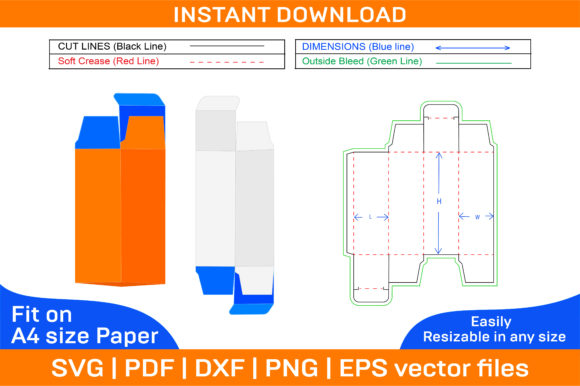
A Reverse Tuck End (RTE) box is a type of folding carton that uses a unique tucking method to form the bottom of the box. Unlike standard tuck-end boxes where the front panel tucks into the back, an RTE box reverses this process, with the back panel tucked into the front. This subtle difference ensures a neat and stable base without the need for glue, which is particularly beneficial for DIY enthusiasts and small businesses seeking cost-effective solutions.
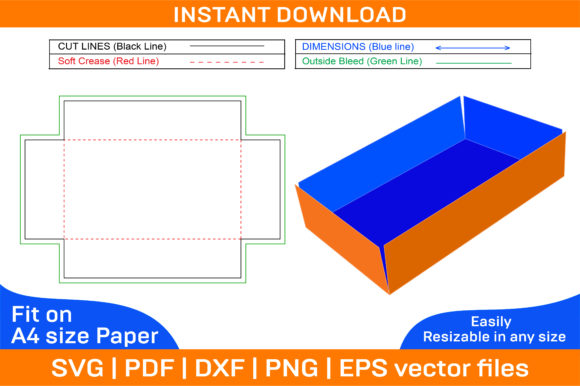
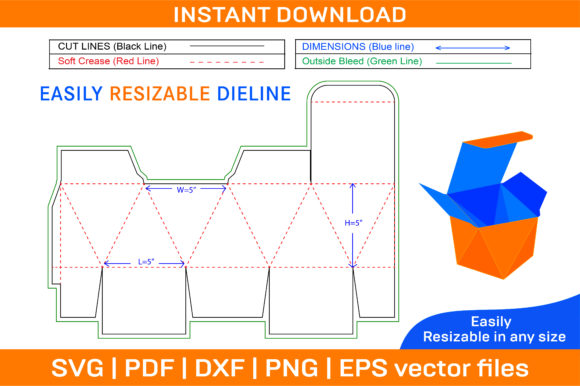
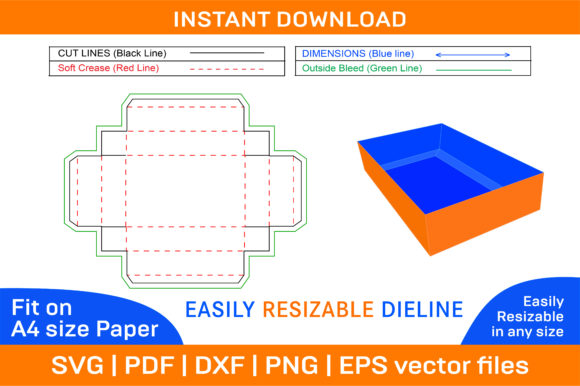
The square shape adds to its versatility, as it can easily accommodate items of various dimensions while maintaining a compact and aesthetically pleasing profile. When combined with a dieline template—essentially a blueprint outlining the folds and cuts—the creation of these boxes becomes a straightforward task even for beginners.
Why Choose a Reverse Tuck End Square Folding Box?
There are several compelling reasons why someone might choose to work with a Reverse Tuck End Square Folding Box template:
- Customization Potential: With access to both color and blank templates, users have the freedom to personalize their boxes according to their brand or theme. Whether you're printing on white, kraft, or colored paper, the flexibility allows for creative expression.
- Vector-Based Files: The inclusion of vector formats such as SVG, PDF, EPS, DXF, and AI means that the design remains crisp and clear at any scale. This is crucial when producing high-quality prints for commercial use or intricate home projects.
- Compatibility: These templates are compatible with a variety of design software including Photoshop, Illustrator, Silhouette Studio, Cricut Design Space, and AutoCAD. This makes them accessible to a broad audience, regardless of the tools they prefer to use.
- Instant Download: As digital products, these templates offer instant access after purchase, allowing for quick project execution and reducing lead times significantly.
Benefits and Tradeoffs of Using a Dieline Template
Using a Reverse Tuck End Square Folding Box dieline template comes with numerous advantages. One of the most significant benefits is the time and cost savings associated with not having to design a box from scratch. Templates provide accurate measurements and fold lines, ensuring consistency across multiple units. Additionally, because the files are vector-based, scaling up or down doesn't compromise quality, which is essential for print-on-demand services or bulk production.
However, there are also some tradeoffs to consider. While templates simplify the design process, they may limit complete customization if you're not using a blank version. Users who require highly specific or unconventional shapes might find themselves needing to modify the template extensively, which could be time-consuming unless they have advanced design skills.
Considerations for Printing and Production
When working with a printable box template, it's important to take into account the printing requirements. Most templates are designed for A4 paper, but since they are vector-based, they can be adapted for other paper sizes as needed. Always ensure your printer supports the chosen file format and resolution, which in this case is 300 dpi for high-resolution output.
If you plan to print the template yourself, consider the type of paper stock you'll use. Thicker stocks like 250 gsm or higher will produce sturdier boxes, while thinner papers may be more suitable for lightweight items. Also, test the folding and tucking mechanisms before committing to a large print run to avoid errors in the final product.
Best Uses for Reverse Tuck End Boxes
This box design is well-suited for situations where a simple yet elegant solution is required. For instance, it’s commonly used in:
- Gift Packaging: Its square shape and secure closure make it perfect for wrapping gifts, jewelry, or small electronics.
- Product Display: Retailers often use RTE boxes to showcase items in-store due to their professional appearance and ease of assembly.
- DIY Projects: Crafters and hobbyists appreciate the ability to create custom designs for personal use or small-scale sales.
- Sample Packaging: Businesses producing samples for distribution benefit from the no-glue design, which allows for easy disassembly and reassembly during shipping and handling.
In each of these scenarios, the Reverse Tuck End Square Folding Box offers a reliable structure that balances functionality with aesthetics.
When to Consider Alternatives
While the Reverse Tuck End Square Folding Box is versatile, it may not be the best choice for every situation. If you’re dealing with irregularly shaped items, you might want to explore other box styles such as Rigid Boxes or T-Boxes, which offer greater structural adaptability. Similarly, if your project requires frequent opening and closing, a magnetic flap or a clamshell box might serve better than a tuck-end design.
Additionally, if you're planning to mass-produce a product and require automated manufacturing processes, investing in a die-cutting machine or partnering with a packaging manufacturer might be more efficient than relying solely on printable templates.
Decision-Making Insights for Selecting a Box Template
Choosing the right box template involves evaluating your needs against the features offered. Ask yourself the following questions to guide your decision:
- Do I need a box that can be assembled quickly and without adhesive?
- Will the contents fit within the standard square dimensions provided by the template?
- Am I looking to print the box myself or through a third-party service?
- How much customization do I require? Do I need a blank template to apply my own branding or artwork?
- Is compatibility with my preferred design software important?
Answering these questions can help clarify whether the Reverse Tuck End Square Folding Box is the right choice for your project. It's also wise to review sample files or request previews before purchasing to ensure the template aligns with your expectations.
Getting Started with Your Own Custom Box
Creating your own Reverse Tuck End Square Folding Box is easier than you might think. Once you’ve downloaded the ZIP archive containing SVG, PDF, EPS, DXF, AI, and PNG files, open the template in your preferred design software. You can then add your logo, text, or images directly onto the surface areas provided.
For best results, follow these steps:
- Choose a blank template if you want full control over colors and visuals.
- Use high-resolution graphics and ensure all text is embedded or outlined.
- Print on appropriate paper stock and cut/fold carefully along the indicated lines.
- Assemble the box by tucking the ends properly and testing the closure.
With attention to detail and proper preparation, you can turn a simple template into a polished, functional box tailored to your specifications.
Conclusion
The Reverse Tuck End Square Folding Box is a practical and customizable option for individuals and businesses alike. Its no-glue construction, compatibility with major design tools, and support for various print formats make it a valuable asset for anyone interested in creating their own folding boxes. However, it's important to weigh its limitations and consider alternative designs when necessary. By understanding your project goals and the capabilities of the template, you can determine whether it aligns with your needs and deliver a product that meets both functional and aesthetic standards.