Folding Corrugated Cardboard Box Dieline: A Practical Guide for Custom Packaging
Custom packaging is no longer a luxury—it's an expectation. Whether you're a small business owner, a creative designer, or simply someone who enjoys hands-on projects, having the ability to craft your own folding corrugated cardboard box dieline can open up a world of possibilities. These templates empower users to design and produce high-quality boxes tailored to their specific needs, whether for shipping products, creating unique gifts, or organizing items at home.
What Is a Folding Corrugated Cardboard Box Dieline?
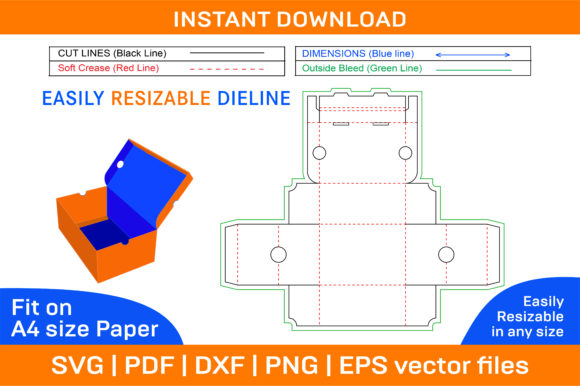
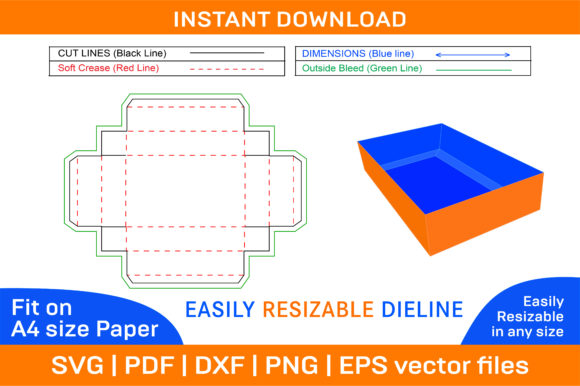
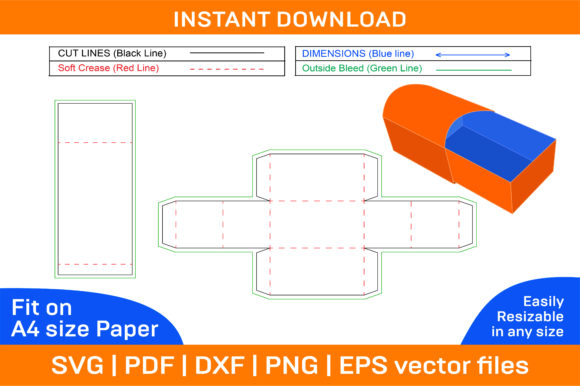
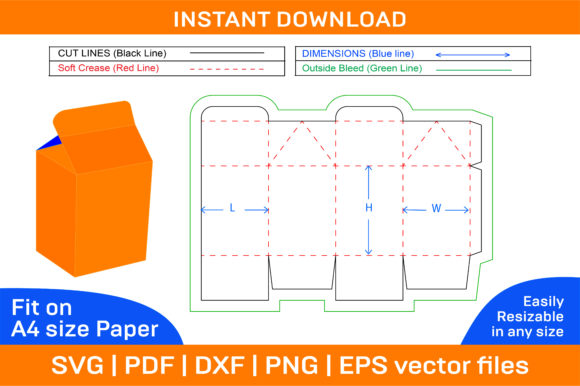
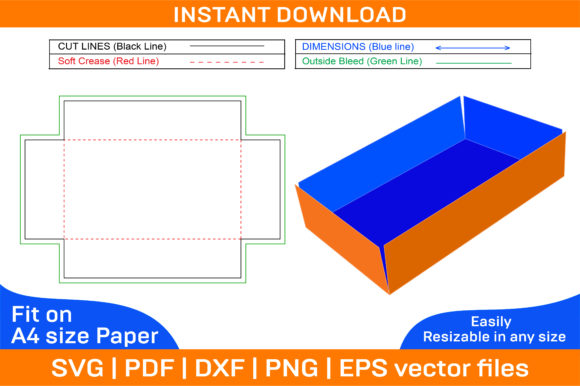
A folding corrugated cardboard box dieline is essentially a blueprint that outlines how a flat sheet of cardboard folds into a three-dimensional box. It includes precise lines for cutting and creasing, ensuring the final product maintains structural integrity while fitting together seamlessly. This type of dieline is especially useful when working with corrugated cardboard, which offers durability and strength compared to standard paperboard materials.
When combined with digital tools, these templates allow for easy customization. You can add logos, branding elements, or personalized artwork to make your packaging stand out. The result is not just a functional container but also a brand ambassador, capable of enhancing customer experience through thoughtful design.
The Rise of Customizable Packaging in Modern Workflows
In today’s fast-paced market, businesses are constantly seeking ways to differentiate themselves. One effective method is through custom packaging. With the availability of printable box templates, entrepreneurs and designers can now create bespoke solutions without needing industrial-grade equipment or expensive printing services.
Moreover, the shift toward sustainability has made corrugated cardboard a popular choice. As consumers become more eco-conscious, they prefer brands that use recyclable and reusable materials. By using a folding corrugated cardboard box dieline template, you can align your packaging strategy with these modern values—offering something both practical and planet-friendly.
From Blank Templates to Creative Expression
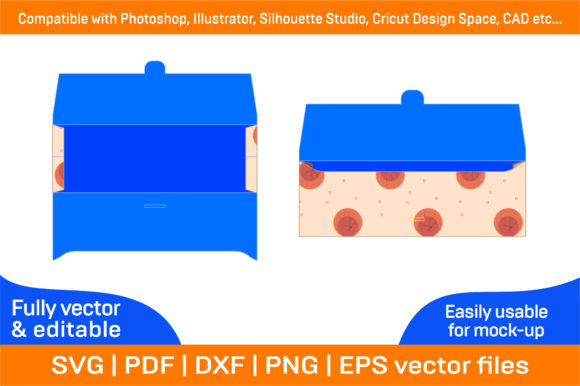
The beauty of a folding corrugated cardboard box dieline lies in its adaptability. A ZIP archive containing SVG, PDF, EPS, DXF, AI, and PNG files provides everything needed to bring your vision to life. These formats are compatible with a wide range of software, including Photoshop, Illustrator, Silhouette Studio, Cricut Design Space, and AutoCAD, making it accessible to professionals and hobbyists alike.
Each file format serves a different purpose. Vector-based SVG and EPS files ensure crisp, clean edges at any scale, while high-resolution PDFs are ideal for print-ready outputs. The inclusion of both color and blank templates allows for maximum flexibility—you can choose to work with pre-designed visuals or start from scratch and customize every detail according to your theme.
Why Choose a 3D Box Design Template?
Designing a 3D box might sound complex, but with the right 3D box design template, it becomes surprisingly straightforward. A well-structured dieline ensures that all panels fold correctly and lock into place without the need for additional glue or fasteners. This is particularly valuable for those looking to streamline production or reduce waste during the prototyping phase.
For educators and DIY enthusiasts, these templates serve as excellent learning tools. They provide insight into how packaging is constructed and offer a tangible way to explore geometry, spatial reasoning, and material properties. In classrooms or workshops, students can experiment with different styles and structures, gaining hands-on experience in product design and engineering.
Flexibility Across Paper Sizes and Printing Needs
Although the templates are designed for A4 paper, their vector-based nature means they can be scaled up or down effortlessly. This scalability is crucial for businesses that require different box sizes for various products. Unlike raster images, which lose quality when resized, vector graphics maintain clarity and sharpness regardless of size, ensuring professional results every time.
This flexibility also caters to global markets where paper dimensions may vary. If you’re operating internationally or collaborating with overseas partners, being able to adjust the template to local standards is a significant advantage. The same applies to creators who want to print their designs on large-format printers or laser cutters for more substantial projects.
Applications Across Industries and Personal Projects
Folding corrugated cardboard boxes aren’t just for shipping—they’ve found their way into countless industries and personal ventures. Here are some realistic applications:
- Businesses: E-commerce companies often use custom corrugated boxes to protect goods during transit while reinforcing their brand identity. A branded box can significantly improve unboxing experiences and encourage repeat purchases.
- Creative Professionals: Graphic designers and artists leverage printable box templates to showcase their work in physical form. From art portfolios to promotional displays, the potential is limitless.
- Entrepreneurs: Startups can prototype packaging before investing in bulk manufacturing. This helps test market reactions and refine designs without upfront costs.
- Hobbyists: Whether building gift boxes, storage containers, or decorative objects, individuals can enjoy the satisfaction of crafting something unique and durable.
Real-World Examples of Use
Consider a boutique coffee shop that wants to package its beans in a way that stands out. Using a folding corrugated cardboard box dieline, the shop can design a sleek, eco-friendly box with custom artwork featuring their logo and brewing instructions. The template makes it easy to print on colored cardstock for a premium look, while the corrugated structure protects the product inside.
Another example is a wedding planner who uses printable box templates to create custom favor boxes. These boxes are printed with elegant designs and filled with handmade treats, adding a personal touch to the event. The versatility of the dieline allows them to match the overall aesthetic of the wedding, whether it's rustic, minimalist, or ornate.
Streamlining the Design Process
One of the biggest advantages of using a folding corrugated cardboard box dieline template is the time it saves. Instead of starting from scratch, you have a ready-made framework that you can modify to suit your needs. This efficiency is essential in today’s competitive landscape, where speed and agility are key differentiators.
Additionally, because the files are available for instant download after purchase, there’s no waiting for lengthy delivery times. This immediate access is invaluable for last-minute projects or urgent client requests. Just download, customize, and print—everything you need is included in one convenient package.
Tools and Software Compatibility
The provided files are fully compatible with industry-standard software like Adobe Illustrator and Photoshop, making them ideal for graphic designers. For those using cutting machines such as Silhouette Studio or Cricut Design Space, the SVG format ensures accurate cuts and consistent results. Engineers and architects can even utilize DXF and AI files in AutoCAD for more technical applications.
This compatibility removes many of the barriers to entry that previously limited custom box creation to those with specialized knowledge. Now, anyone with basic design skills can take full advantage of these templates, opening the door to innovation and creativity across disciplines.
Customization Tips for Maximum Impact
While the templates offer a solid foundation, the real value comes from what you do with them. Here are a few tips to help you get started:
- Choose Your Color Wisely: The ZIP archive includes both color and blank templates. If you opt for the blank version, consider selecting a rich, textured paper stock that complements your design.
- Experiment with Finishes: Add foil stamping, embossing, or UV coating to elevate the visual appeal of your boxes. These techniques can be applied easily if you partner with a local print shop that supports custom finishes.
- Test Before Printing: Always print a small batch first to verify the fit and finish. This step can save time and resources by catching any issues early in the process.
- Optimize for Branding: Make sure your logo and text are placed strategically so they appear prominently once the box is assembled. Pay attention to alignment and spacing to avoid misprints.
Future-Proofing Your Packaging Strategy
As technology continues to evolve, so too does the accessibility of design tools. The rise of digital fabrication, such as laser cutting and 3D printing, has made it easier than ever to produce custom packaging at scale. By mastering the use of a folding corrugated cardboard box dieline, you position yourself to take advantage of these advancements and stay ahead of the curve.
Furthermore, the demand for customizable, sustainable packaging isn't likely to wane. In fact, it's expected to grow as more consumers prioritize ethical consumption. Investing in a versatile dieline template now ensures that you’re prepared to meet these changing expectations and deliver packaging that resonates with your audience.
Getting Started with Your Own Foldable Box Design
If you’re new to box design, don’t worry—the process is intuitive and user-friendly. Begin by downloading the ZIP archive, which contains multiple file types and both color and blank versions of the template. Open the files in your preferred design software, then begin modifying the layout, colors, and text to reflect your brand or project.
Once satisfied with your edits, print the template using high-resolution settings (300 dpi recommended) to ensure the best possible outcome. Follow the crease and cut lines carefully, and assemble the box by folding along the indicated lines. The result is a professional-looking, foldable box that’s perfect for packaging, gifting, or storing.
Troubleshooting and Support
Every creator encounters challenges—especially when working with new tools or materials. If you run into issues with the files or have questions about scaling or printing, don’t hesitate to reach out for assistance. Many template providers offer support to help you achieve the best results, ensuring your project stays on track and within budget.
Whether you're struggling with software compatibility or unsure about how to optimize your design for corrugated cardboard, getting guidance can make a big difference. It’s always better to clarify uncertainties before proceeding with a large print run.
Conclusion
The folding corrugated cardboard box dieline is more than just a design tool—it’s a gateway to innovation, sustainability, and personal expression. As businesses and individuals continue to seek cost-effective, flexible, and eco-conscious solutions, the importance of these templates will only grow. With the right approach, you can transform a simple printable box template into a powerful asset for your brand or creative endeavor.
So why wait? Explore the possibilities today and start designing your own foldable boxes with confidence. Whether you're a marketer, educator, freelancer, or entrepreneur, this resource is tailored to help you succeed in a rapidly evolving market.