Everything You Need to Know About Envelope Packaging Dieline Templates and 3D Design
Envelope packaging dieline templates are essential tools for anyone looking to create custom packaging solutions. Whether you're a small business owner, an artist, or a DIY enthusiast, these templates offer a structured yet flexible way to design envelopes and boxes that match your brand or creative vision. In this article, we’ll explore what envelope dielines are, why they matter, and how to use them effectively with modern design software and techniques.
What is an Envelope Packaging Dieline Template?
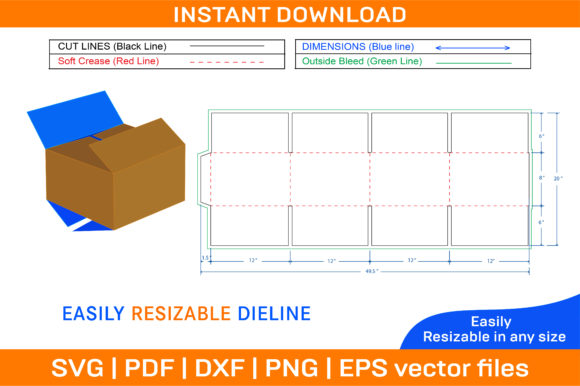
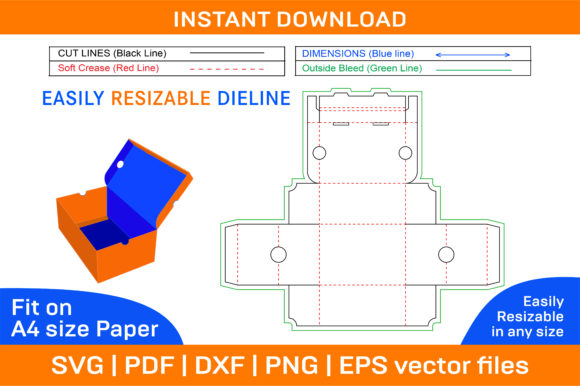
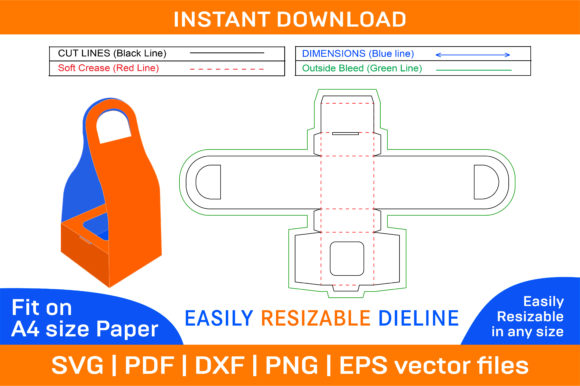
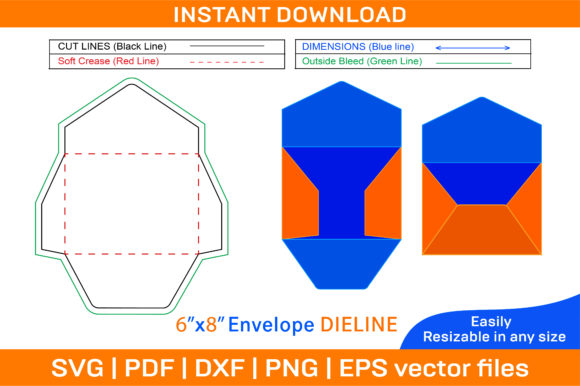
An envelope packaging dieline template is a blueprint used in the printing and packaging industry. It outlines the exact shape and fold lines of an envelope or box, ensuring that when printed and cut, the final product maintains its intended structure and appearance. These templates typically include precise measurements, crease lines, and cut marks so that users can produce professional-quality designs without needing advanced technical skills.
Dielines are especially useful because they eliminate guesswork. Instead of manually measuring and marking paper every time you want to make a new box or envelope, you can rely on a pre-made template that’s been tested and optimized for printability and usability. This makes it ideal for both one-off projects and bulk production runs.
Why Use a Dieline Template?
There are several reasons why using a dieline template is beneficial:
- Accuracy: Ensures consistent sizing and folding every time.
- Time-saving: Avoids the need to start from scratch each time you design a new package.
- Cost-effective: Reduces errors during printing, which saves money and materials.
- Customization: Lets you personalize the look of your packaging while maintaining structural integrity.
Practical Applications of Envelope Dielines
Envelope dielines aren’t just for sending letters—they’re widely used in various industries:
- Gifts and Crafts: Handmade gift boxes, wedding invitations, and custom cards often use envelope dielines to maintain a polished look.
- Business Packaging: Small businesses and startups can use these templates to create branded packaging for products like jewelry, cosmetics, or stationery.
- Education and Marketing: Teachers and marketers might use printable box templates to create engaging displays, samples, or educational kits.
- Event Planning: From party favors to sample packages at trade shows, customizable envelopes and boxes add a personal touch.
Understanding 3D Envelope Design
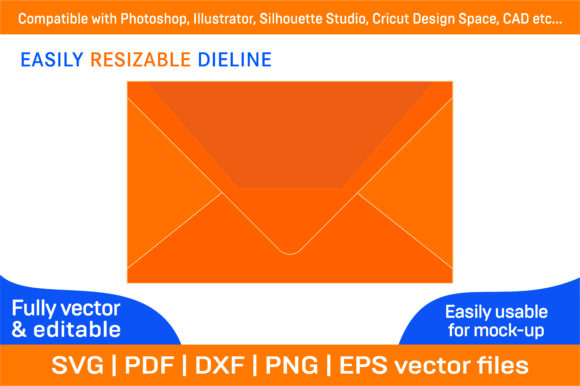
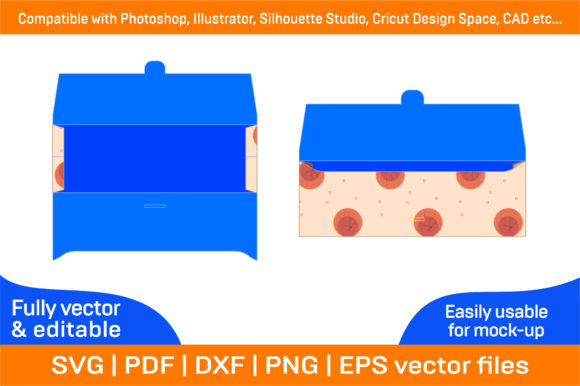
One of the most exciting aspects of working with envelope packaging dielines is the ability to visualize the final product in 3D. A 3D envelope design allows you to see how your packaging will look once folded, giving you a clear idea of proportions, depth, and aesthetics before you begin printing.
This feature is particularly helpful for beginners who may not have prior experience with packaging design. By seeing the 3D preview, you can easily adjust dimensions, add text, or incorporate graphics to ensure your final product meets your expectations.
How 3D Envelope Templates Work
Most 3D envelope templates come in vector formats like SVG, PDF, EPS, DXF, AI, and PNG. These files can be opened in design software such as Adobe Illustrator, Photoshop, Silhouette Studio, or Cricut Design Space. Once opened, the template will display the flat layout along with a visual representation of the folded 3D version. Some platforms even allow you to manipulate the design in real-time, helping you experiment with different styles and layouts.
Exploring Paper Box and Foldable Box Templates
Beyond envelopes, many dieline sets also include paper box, folding box, and foldable box templates. These are designed for storing items like chocolates, electronics, or promotional materials. The beauty of these templates lies in their versatility—you can choose between color and blank versions depending on your needs.
The color template provides a guide with pre-colored sections to help you understand where images or text should go. The blank template, on the other hand, gives you complete freedom to print on any color paper or cardstock you prefer. This makes it perfect for creating unique, theme-based packaging that stands out from generic options.
Benefits of Printable Box Templates
Printable box templates are a great asset for both hobbyists and professionals. Here are some key advantages:
- Easy to Modify: Since they’re in vector format, you can scale, reshape, and customize them without losing quality.
- Compatible with Multiple Software: Files are compatible with popular design tools like Adobe Illustrator, Photoshop, AutoCAD, Silhouette Studio, and more.
- High-Resolution Quality: At 300 dpi, the templates ensure sharp, clean prints suitable for both digital and physical use.
- Instant Download: After purchase, you get immediate access to the ZIP archive containing all the necessary files—no waiting for shipping or processing.
Working with Vector-Based Files: SVG, PDF, EPS, DXF, AI, and PNG
The templates you receive in the ZIP archive are usually in multiple file formats, each serving a specific purpose. Understanding these formats can help you choose the right one for your project:
- SVG (Scalable Vector Graphics): Perfect for digital editing and cutting with machines like Cricut or Silhouette. It’s also web-friendly and supports interactivity.
- PDF (Portable Document Format): Great for direct printing or sharing with others. It preserves the layout and formatting across devices.
- EPS (Encapsulated PostScript): Ideal for high-end printing and professional graphic design due to its support for complex shapes and layers.
- DXF (Drawing Exchange Format): Commonly used in engineering and architectural software like AutoCAD. It ensures precision in technical drawings.
- AI (Adobe Illustrator): Native to Adobe Illustrator, allowing full customization with layer visibility, fonts, and colors.
- PNG (Portable Network Graphics): Best for digital use or quick edits in image-editing software. It includes transparent backgrounds for easy overlay.
All of these formats are vector-based, meaning they retain high quality at any size. Whether you’re printing on A4 paper or scaling up for large-format production, the edges remain crisp and the details stay intact.
Creating Custom Objects with Blank Templates
A blank template is more than just a starting point—it’s a canvas for your creativity. With no predefined colors or graphics, you’re free to add your own branding, artwork, or text. This flexibility makes it an excellent option for personalized packaging, event-specific designs, or educational purposes.
For example, if you're designing a custom greeting card box for a special occasion, you can print the blank template on red paper and add gold foil accents. Or, if you're making a sample box for a new product line, you can use a themed background and place your logo exactly where it looks best.
Step-by-Step Guide to Using Your Template
Here’s a simple process for getting started with your envelope or box template:
- Download the ZIP archive after purchase. It contains SVG, PDF, EPS, DXF, AI, and PNG files.
- Choose the format that works best with your design software. For instance, open the AI file in Adobe Illustrator or the SVG file in Silhouette Studio.
- Edit the template by adding your preferred colors, logos, or images. Make sure to align elements correctly based on the provided guides.
- Preview the 3D model to check how your design looks when folded. Adjust as needed for balance and aesthetics.
- Print the template onto your chosen paper stock. Ensure your printer settings match the recommended resolution (usually 300 dpi).
- Cut and fold according to the dieline instructions. If you're using a cutter machine, follow the SVG paths for accurate results.
Common Misconceptions About Envelope Dielines
Despite their usefulness, there are some common misunderstandings about envelope dielines and their applications:
- “I need expensive equipment to use these templates.” While certain formats work best with specialized software or cutting machines, you can also use the PDF version for manual cutting and folding with just scissors and a ruler.
- “Only professionals can benefit from dielines.” Anyone with basic design knowledge can use these templates to create impressive packaging. Many are designed for ease of use, with clear instructions and intuitive layouts.
- “Templates are rigid and don’t allow creativity.” On the contrary, templates provide a foundation, but the actual design is entirely up to you. You can play with colors, patterns, and typography to make each piece unique.
Integrating Envelope Dielines into Modern Business and Creativity
In today’s fast-paced world, standing out is crucial. Custom packaging is one of the best ways to leave a lasting impression. Envelope dielines and 3D box designs help businesses achieve this goal efficiently and affordably. They enable you to create cohesive branding materials without outsourcing to expensive packaging designers.
Moreover, with the rise of e-commerce and handmade marketplaces like Etsy, having attractive, well-designed packaging can significantly boost your sales. Customers appreciate thoughtful presentation, and using a dieline template allows you to deliver that without compromising on quality or budget.
From a creative standpoint, these templates open up endless possibilities. Artists can use them to showcase their work in custom frames or containers, while educators can craft interactive learning kits for students. The ability to blend function with artistry makes envelope and box dielines valuable tools in many fields.
Choosing the Right Size and Paper Type
Although the templates are made for A4 paper, they are scalable due to their vector nature. You can resize them to fit other paper sizes like Letter, Legal, or even larger sheets depending on your needs. Just remember to maintain the original aspect ratio to avoid distorting the design.
When selecting paper, consider the weight and texture. Heavier cardstocks (like 220gsm or higher) are ideal for durability, while textured papers can add a tactile element to your packaging. Always test-print a sample first to ensure the folds and cuts work smoothly.
Technical Compatibility and File Formats
To make your workflow seamless, the templates are fully compatible with a wide range of design programs. Here’s a breakdown of compatibility:
- Photoshop: Great for adding textures, photos, and effects to your design.
- Illustrator: Offers full control over vector elements, making it perfect for intricate designs.
- Silhouette Studio & Cricut Design Space: Allows for precise cutting using SVG files, ideal for crafting and small-scale production.
- AutoCAD: Suitable for architectural or industrial-style packaging requiring technical accuracy.
If you encounter any issues with the files, it’s important to reach out to the seller for support. Most creators are happy to assist with troubleshooting or provide updated versions if needed.
Conclusion
Envelope packaging dieline templates are powerful resources for anyone involved in design, packaging, or creative projects. They combine practicality with artistic freedom, enabling you to create professional-looking envelopes and boxes tailored to your specific needs. Whether you're producing a single item for a gift or preparing hundreds of units for retail, these templates streamline the process and enhance the final result.
With support for multiple file formats and compatibility across leading design software, these templates are versatile and user-friendly. Plus, the inclusion of 3D previews helps you visualize your design before printing, reducing errors and increasing satisfaction. So next time you need a custom box or envelope, consider using a dieline template—it could be the difference between a good product and a great customer experience.
Ready to bring your ideas to life? Download your envelope and box dieline templates now and start designing!