Virtual Reality Glasses Sight View
Virtual Reality (VR) has transformed the way we experience digital environments, and one of its most captivating elements is the Virtual Reality Glasses Sight View. This concept represents not only a technological innovation but also an artistic and design frontier. Whether you're a creative professional, a tech enthusiast, or someone looking to explore new ways to engage your audience, understanding the potential of VR sight views can open doors to immersive storytelling, product visualization, and interactive experiences.
What Is Virtual Reality Glasses Sight View?
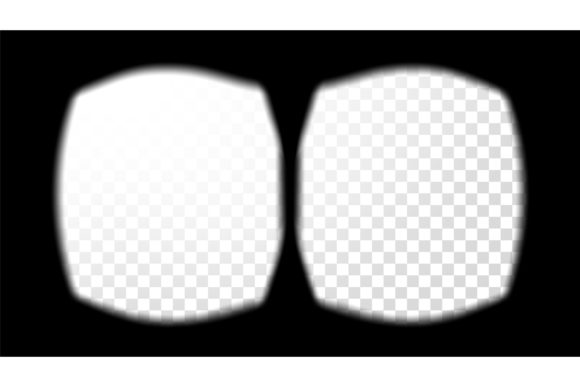
The term Virtual Reality Glasses Sight View refers to the visual perspective captured through VR headsets or glasses—essentially, how users see the virtual world when they put on these devices. This view is often characterized by a wide field of vision, 3D spatial depth, and stereoscopic rendering that mimics natural human sight. The result is a realistic, engaging experience that makes users feel physically present in the virtual environment.
In design and illustration, this sight view can be abstracted into a stylized template, such as the Screen Frame Template, which allows artists and designers to visualize the VR perspective without requiring actual headset use. These templates are especially useful for creating mockups, presentations, and promotional content related to VR products and services.
Why It Matters for Designers and Creators
For creators in fields like graphic design, marketing, and education, the ability to represent a View From The 3D VR Helmet visually is invaluable. It helps communicate complex ideas in a more intuitive format. For instance, when showcasing a new app or platform, using a VR sight view template can help stakeholders better understand user interaction and interface flow before development begins.
Moreover, with formats like JPG and EPS available, these visualizations can be easily adapted for print or digital use. EPS files, in particular, are ideal for high-quality illustrations and scalable designs, making them perfect for branding materials or website assets where clarity and resolution matter.
Creative Possibilities and Project Ideas
Let’s explore some practical and inspiring applications of Virtual Reality Glasses Sight View across different industries:
- Product Design: Use VR sight view illustrations to showcase how a product looks and functions in a virtual space. This is particularly effective for furniture, automotive, or fashion industries aiming to offer virtual try-ons.
- Marketing and Advertising: Create compelling ad visuals that simulate the experience of wearing VR glasses. These images can highlight features like interactivity, realism, or ease of use in a way that static photos cannot.
- Education and Training: Visualize educational VR modules using sight view templates. This can help educators and developers pitch their ideas more effectively to institutions or corporate clients.
- UI/UX Prototyping: When designing for VR interfaces, having a clear sight view reference ensures that layouts are optimized for depth perception and user comfort.
Consider the Design 3D VR process: it's not just about building models, but also about framing how users will interact with them. A well-crafted sight view can guide your design decisions, ensuring that every element aligns with the intended user experience.
Styling and Variations
There are several ways to interpret the Virtual Reality Glasses Sight View in your designs. Here are a few popular styles:
- Realistic Representation: Mimic the exact look of a VR headset display, including lens distortion and screen edges. This approach works well for technical documentation or hardware reviews.
- Abstract Interpretation: Use soft edges and simplified forms to create a futuristic or conceptual image. This style is great for editorial content or blog posts about the future of VR.
- Transparent Background Illustration: Ideal for overlaying the VR sight view onto any background, this variation offers flexibility in composition and branding integration.
- Minimalist Wireframes: Focus on structure and layout rather than color or texture. Perfect for early-stage prototyping or explaining UI concepts.
Each variation serves a unique purpose. For example, if you’re a blogger writing about emerging technologies, a transparent background illustration with soft edges could blend seamlessly into your article layout. If you're a marketer launching a VR fitness app, a realistic sight view might show the user in action, enhancing relatability and engagement.
How to Adapt It for Your Needs
Whether you're a small business owner, educator, or freelance designer, adapting the Virtual Reality Glasses Sight View to suit your goals requires thoughtful planning. Let’s break it down by audience:
For Entrepreneurs and Startups
Use VR sight view templates to create mockups of your product in action. Show potential investors or customers exactly what the user will see when they don the headset. Keep the visuals clean and focused on key features to maintain clarity and professionalism.
For Educators and Trainers
Illustrate how students or employees will navigate a VR learning module. Emphasize navigation cues, buttons, and spatial orientation to make the experience feel intuitive. You can even add instructional text within the sight view to demonstrate step-by-step processes.
For Designers and Developers
Integrate the sight view into your workflow to test and refine UI elements. Ensure that menus, icons, and controls are visible and usable from the user's perspective. Using transparent background illustrations can help you layer the sight view over real-world scenes or other digital assets for testing context and usability.
For Marketers and Bloggers
Enhance your content with eye-catching images of the VR experience. Position the sight view as part of your storytelling—show how a user interacts with a virtual environment, or how VR changes the way people perceive your brand. Don’t forget to optimize your JPGs for web performance while keeping the quality intact.
Tools and Techniques to Get Started
To bring the Virtual Reality Glasses Sight View to life in your projects, consider using tools like Adobe Illustrator for vector-based EPS files or Photoshop for detailed JPG renderings. Many online resources provide free or premium templates that you can customize. Look for ones that include adjustable lens shapes, customizable UI elements, and support for multiple resolutions.
When working with cyberspace themes, think about incorporating subtle lighting effects, gradients, and abstract geometry to enhance the sense of immersion. These details can elevate a basic template into a powerful visual metaphor for digital exploration and innovation.
Best Practices for Clear and Effective Results
To ensure your VR sight view illustrations are both impactful and functional, follow these guidelines:
- Keep it simple: Avoid cluttering the frame with too many elements. Focus on the core experience you want to convey.
- Maintain consistency: If you're using multiple sight views in a project, keep the style and layout uniform for a cohesive look.
- Test in context: Place your sight view illustrations alongside real-world elements to assess how they fit into the overall design or narrative.
- Optimize for your platform: If publishing online, compress JPGs for fast loading. For print, ensure your EPS files are properly scaled and layered.
Additionally, always consider the end user. What do they need to understand at a glance? How can the sight view guide their attention or actions? By answering these questions, you can tailor your illustrations to serve their intended purpose more effectively.
Real-World Examples and Inspiration
Here are a few examples of how the Virtual Reality Glasses Sight View has been used successfully:
- A gaming company used a transparent sight view illustration in a press release to preview their next-gen VR game, showing off dynamic environments and character interactions.
- An e-learning startup incorporated VR sight views into their sales deck to demonstrate how learners can explore historical sites in 3D, boosting client interest and contract sign-ups.
- A boutique design firm created a series of minimalist sight view templates for clients in the architecture industry, helping them visualize interior spaces with greater depth and realism.
These cases highlight the adaptability of VR sight views. They’re not just for gamers or engineers—they can be tailored to virtually any industry, from healthcare to hospitality, when used creatively and thoughtfully.
Where to Find Resources
If you're ready to experiment with Virtual Reality Glasses Sight View Vector templates or illustrations, here are some places to start:
- Freepik – Offers a variety of editable vector graphics, including VR sight view frames and UI elements.
- Shutterstock – Search for “VR helmet view” or “3D VR screen frame” to find high-quality JPGs and vectors.
- Adobe Stock – Filter by EPS format to find scalable illustrations suitable for print and digital media.
Remember to choose templates that allow customization so you can match your brand identity or project needs. Many come with layers, so you can tweak colors, fonts, and positioning with ease.
Conclusion
The Virtual Reality Glasses Sight View is more than a visual tool—it’s a gateway to deeper creativity and clearer communication. Whether you’re designing for a specific platform, educating others, or simply exploring new ideas, integrating this perspective into your work can help you connect with your audience in a meaningful and innovative way.
With the right tools and mindset, you can transform how your projects are perceived. So take a closer look at the View From The 3D VR Helmet, and let it inspire your next big idea.