Valentine’s Day Design: Creative Options for Expressing Love and Romance
Valentine’s Day is more than just a celebration of love—it's an opportunity to showcase creativity through design. Whether you're crafting greeting cards, digital content, or promotional materials, Valentine’s Day Design plays a crucial role in capturing the essence of romance and affection. A well-executed design can elevate your message from simple words into a heartfelt visual experience.
What Is Valentine’s Day Design?
Valentine’s Day Design refers to the creation of visual elements that are specifically tailored for February 14th. These designs often incorporate symbols like hearts, roses, Cupid, doves, and romantic color palettes such as red, pink, and gold. The goal is to evoke emotions of love, happiness, and connection through imagery, typography, and layout.
Designers use various tools and formats to bring these concepts to life, including vector graphics (like SVG and EPS), raster images (such as JPEG and PNG), and AI files for Adobe Illustrator. These options provide flexibility depending on the project's needs—whether it's for print, web, or social media.
Why Choose Professional Valentine’s Day 3D Icon Designs?
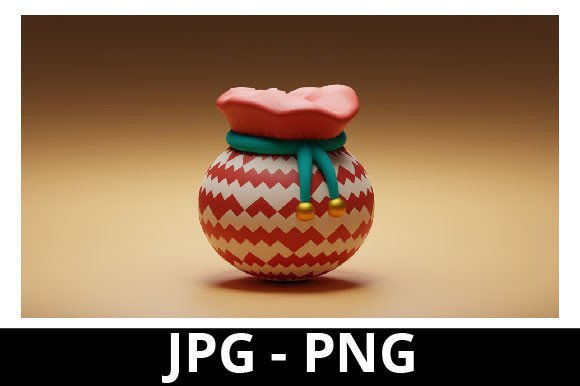
When creating content for Valentine’s Day, using high-quality 3D icon designs can make a significant difference. Unlike flat icons, 3D designs add depth and realism, making them stand out in both digital and printed formats. They’re particularly effective when used in backgrounds, headers, banners, or gift cards where visual impact matters most.
- High-Quality Resolution: 3D icons designed with precision ensure clarity at any size, which is essential for professional printing or large-scale displays.
- Customizability: With access to AI, EPS, SVG, and PNG files, users can modify colors, remove text, reposition elements, or even resize without compromising quality.
- Versatility: These designs can be adapted for different uses—from website headers to Instagram posts, business promotions, or personal greeting cards.
Real-World Use Cases for 3D Valentine’s Day Icons
Consider a boutique selling handmade gifts. A beautifully designed Valentine’s Day card background with 3D rose icons could be used on packaging or as part of their online marketing. Similarly, a digital marketer might utilize abstract 3D heart graphics to create engaging social media templates that resonate with audiences looking for fresh, modern takes on traditional themes.
For businesses, having a set of 100+ vector-based Valentine’s Day icons allows for consistency across branding efforts. You can mix and match elements to suit different campaigns, while maintaining a cohesive look and feel.
Comparing File Formats for Valentine’s Day Design
The file format you choose will affect how easily you can edit and use your Valentine’s Day design. Here’s a quick comparison of commonly available formats:
- AI (Adobe Illustrator): Ideal for designers who need full control over layers, paths, and shapes. It supports advanced editing features and is best suited for customizations.
- EPS: Similar to AI, this format is great for print work and maintains scalability. It's widely supported by most vector graphic software.
- SVG: Perfect for web use due to its small file size and compatibility with HTML5 and CSS3. It also allows for easy animation if needed.
- PNG: Offers transparent backgrounds and is suitable for both digital and some print projects. PNGs maintain quality but aren’t scalable like vector formats.
- JPEG: Best for photo-realistic images or when transparency isn't required. However, it doesn't support vector edits and may lose quality when resized.
If you plan to tweak the design extensively, go with AI or EPS. For digital-only use, SVG and PNG are practical choices. JPEG is useful for final outputs where image fidelity is key, especially in photography-based Valentine’s Day themes.
Strengths and Tradeoffs of Valentine’s Day Design Resources
Professional Valentine’s Day design resources offer several advantages:
- Time Efficiency: Ready-to-use templates and icons allow you to focus on messaging rather than starting from scratch.
- Consistency: Access to a large collection ensures all your promotional materials align visually, reinforcing brand identity.
- Creativity Boost: High-quality assets inspire better design outcomes and help avoid common clichés associated with the holiday.
However, there are tradeoffs to consider. Pre-made designs may lack originality unless customized properly. Also, not all platforms support every file type equally—especially when it comes to responsive web design or mobile app integration.
Best-Fit Situations for Using Valentine’s Day Design
Here are scenarios where investing in a professional Valentine’s Day design makes sense:
- E-commerce Websites: Use 3D icons and abstract backgrounds to highlight limited-time offers or themed products.
- Social Media Campaigns: Leverage customizable templates to create a series of posts quickly and cohesively.
- Printed Cards and Packaging: High-resolution vector files ensure crisp, clear prints for physical items like greeting cards or product boxes.
- Business Branding: Incorporate subtle Valentine’s Day motifs into logos or email signatures to maintain a festive yet professional tone.
Choosing the Right Design Style for Your Audience
Not all Valentine’s Day designs are created equal. The style should reflect your audience’s preferences and the context in which the design will be used. For example:
- Abstract Valentine’s Day Design: Great for modern brands or minimalist aesthetics. These designs often feature bold shapes and soft gradients, allowing for a fresh take on classic themes.
- Traditional Love Symbols: Hearts, roses, and handwritten fonts appeal to those seeking a nostalgic or sentimental vibe.
- Minimalist Valentine’s Day Graphic: Clean lines and subtle textures work well for sophisticated, elegant looks—perfect for luxury gifts or upscale events.
While abstract designs offer versatility and adaptability, they may not resonate with everyone. If your target audience prefers warmth and familiarity, traditional elements might be more appropriate. Consider conducting a quick survey or analyzing past engagement data to determine the right fit.
Limitations and Decision Factors
Even with a wide range of design options, limitations exist. Some pre-designed templates may require additional tweaking to meet specific needs, especially if they include unwanted text or don’t match your brand’s tone. Additionally, working with multiple file types demands some technical know-how—though many tools simplify this process.
Key decision factors when choosing Valentine’s Day design resources include:
- Your level of design expertise
- The platform or medium for which the design will be used
- Budget considerations
- How much customization is needed
- Whether you prefer vector or raster-based assets
Alternatives to Traditional Valentine’s Day Design
If you're exploring alternatives, here are some approaches worth considering:
- DIY Tools: Platforms like Canva or Figma offer drag-and-drop interfaces and basic design libraries for non-designers. While convenient, they may lack the professional polish of custom vector files.
- Subscription-Based Design Libraries: These provide unlimited access to a broad range of Valentine’s Day-themed assets. However, they can become costly over time and may include generic content.
- Hiring a Freelance Designer: Custom illustrations or unique layouts can give your brand a distinctive edge. This option is more expensive but highly flexible and tailored.
Each alternative has pros and cons. Subscription services save money in the long run but might lead to overused visuals. Freelancers offer uniqueness but come with higher costs and longer timelines. Ready-to-edit Valentine’s Day design packages strike a balance between affordability, quality, and adaptability.
When Valentine’s Day Design May Not Be the Right Choice
Despite its popularity, Valentine’s Day design isn’t always necessary. In some cases, a more understated approach works better, such as in corporate communications or professional environments where overtly romantic visuals might seem inappropriate. Likewise, if your event or campaign spans beyond February 14th, relying too heavily on seasonal design could limit its longevity.
Also, if your brand focuses on sustainability or inclusivity, traditional Valentine’s Day motifs may not align with your values. In such instances, opt for subtle, inclusive designs that celebrate love in broader, more diverse ways.
Enhancing Your Valentine’s Day Content with Backgrounds and Elements
Backgrounds and supporting elements play a vital role in setting the tone of your Valentine’s Day design. An abstract background can add a touch of elegance and modernity, while a solid-colored backdrop with a few well-placed icons keeps things clean and focused.
When adding elements like a love rose or a 3D heart, consider how they complement the rest of the design. Overloading the space can distract from the main message. Instead, strategically place one or two standout elements and let the background carry the mood.
Practical Tips for Working with Valentine’s Day Design Files
To get the most out of your Valentine’s Day design assets, follow these tips:
- Organize Layers: When using AI or EPS files, keep each element on separate layers for easier editing.
- Use Smart Objects: In Adobe Illustrator or Photoshop, convert editable elements into smart objects to preserve quality during resizing.
- Optimize for Different Sizes: Test your design on mobile, desktop, and print to ensure readability and visual appeal across devices.
- Experiment with Color Variations: Don’t stick strictly to red and pink. Try pastels, metallic tones, or monochrome schemes for a unique twist.
Conclusion
Valentine’s Day Design is a powerful tool for expressing love and enhancing communication—whether it’s for a personal greeting card or a commercial campaign. With access to 3D icons, vector graphics, and customizable templates, you can create versatile and impactful visuals. Understanding the strengths and limitations of each format and design style helps you make informed decisions that align with your goals and audience expectations.