Hexagonal Cardboard Box: A Strategic Tool for Creative and Practical Packaging Solutions
When it comes to packaging design, the Hexagonal Cardboard Box stands out as a versatile and aesthetically pleasing option that can elevate your product presentation. This unique box shape is not only visually distinctive but also offers functional advantages that can support branding, customer experience, and operational efficiency. Whether you're an entrepreneur launching a new product or a hobbyist looking to create custom gifts, understanding how to leverage the hexagonal form can lead to better outcomes and more strategic decision-making in your packaging process.
Why Hexagonal Shapes Matter in Design
The hexagonal cardboard box is rooted in geometry’s most efficient structure—the hexagon. Naturally occurring in honeycombs and other organic forms, the hexagon provides strength, stability, and space optimization. In packaging, this translates to a box that can hold more without using excessive material, making it both cost-effective and environmentally friendly. Its six-sided structure allows for a compact yet sturdy design, which is especially useful when shipping or stacking multiple units.
From a visual standpoint, the hexagon is inherently eye-catching. It breaks away from the traditional rectangular boxes and offers a fresh perspective that can make your brand stand out on shelves or in online listings. For marketers and small business owners, this is a powerful way to differentiate products and capture attention in a crowded market.
Strategic Benefits of Using Hexagonal Boxes
- Brand Differentiation: The unconventional shape helps build a strong brand identity by offering a memorable and unique unboxing experience.
- Operational Efficiency: The structural integrity of hexagons means less material waste and more durability during transit, reducing long-term costs.
- Customer Engagement: Unusual packaging often increases curiosity and encourages customers to share their purchases on social media, enhancing word-of-mouth marketing.
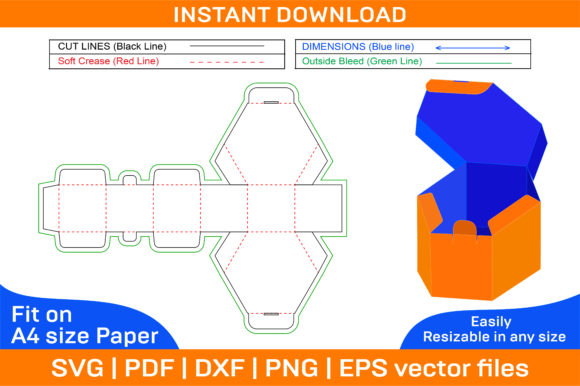
- Creative Flexibility: With customizable templates available in SVG, PDF, EPS, DXF, AI, and PNG formats, the hexagonal box becomes a canvas for innovation and personalization.
How to Use Hexagonal Cardboard Box Templates Effectively
To harness the full potential of a hexagonal gift box die line template, it's essential to approach its use with intention rather than randomness. Begin by defining your goals—whether you're aiming to improve customer satisfaction, reduce packaging costs, or enhance your brand's creative appeal. Each objective will guide different aspects of your customization and production strategy.
A well-structured planning phase involves considering the following:
- Material Selection: Choose high-quality paper stock that aligns with your brand values. Eco-friendly materials can reinforce sustainability messaging while maintaining structural integrity.
- Design Compatibility: Ensure your branding elements (logos, colors, text) are adapted to fit the hexagonal layout effectively. This might involve adjusting alignment or typography to maintain visual harmony.
- Print Size and Quality: All files in the ZIP archive are optimized for A4 printing at 300 dpi, but because they are vector-based, they scale seamlessly to any size without losing clarity. This flexibility supports diverse use cases—from small retail displays to large promotional events.
Practical Use Cases for Hexagonal Boxes
Here are some real-world scenarios where the hexagonal cardboard box proves to be a valuable asset:
- Retail Packaging: Luxury brands and boutique stores often use hexagonal boxes to highlight exclusivity and craftsmanship. The shape adds a premium feel that can justify higher pricing points.
- Event Promotions: At trade shows or pop-up shops, hexagonal boxes can serve as attention-grabbing giveaways or product samples. Their uniqueness makes them ideal for photo opportunities and social sharing.
- Gift and Wedding Boxes: Customizable hexagonal gift box die line templates allow creators to design bespoke packages for special occasions, reinforcing emotional connections with recipients.
- Product Launches: Startups and product designers can use these boxes to make a bold first impression, leveraging the shape to communicate innovation and creativity.
Creating a Custom Hexagonal Box: A Step-by-Step Guide
If you’re ready to dive into creating your own printable box template, here's a practical breakdown of the process:
- Download the Template: After purchase, you’ll receive an instant download containing all necessary file types—SVG, PDF, EPS, DXF, AI, and PNG. These formats ensure compatibility with various design tools like Photoshop, Illustrator, Silhouette Studio, and AutoCAD.
- Select Your Format: Depending on your workflow, choose the appropriate file type. Vector formats such as SVG, EPS, and AI are best for scaling and editing, while PDF and PNG are ideal for direct printing or digital mock-ups.
- Customize the Design: Open the template in your preferred software and modify it to reflect your brand or event theme. You can add images, logos, patterns, or even QR codes for interactive experiences.
- Test the Die Line: Before mass production, print a sample on regular paper to test the folding and assembly. This step ensures that your design works in practice, not just theory.
- Print and Assemble: Once satisfied, print the final version on your chosen paper stock and follow the fold lines to assemble the box. The result is a professional-looking package that reflects your brand’s personality and values.
Planning Tips for Successful Implementation
Thoughtful planning is key to achieving optimal results with your hexagonal and hexagonal cardboard box projects. Here are a few tips to consider:
- Understand Your Audience: Consider what resonates with your target demographic. If your audience values minimalism and clean design, keep the hexagonal box simple and elegant. For younger, trend-focused consumers, bold graphics and vibrant colors may be more effective.
- Align with Branding: Use consistent color schemes, fonts, and imagery across all packaging to reinforce brand recognition. A cohesive look builds trust and familiarity among customers.
- Optimize for Functionality: While aesthetics matter, don’t sacrifice usability. Ensure the box is easy to open, close, and carry, especially if it’s intended for retail or gifting purposes.
- Consider Logistics: If you plan to ship the boxes, verify that the dimensions and weight meet carrier requirements. The hexagonal shape may require adjustments in packaging or handling procedures.
Hexagonal Boxes in Long-Term Branding and Operations
Adopting a hexagonal cardboard box isn't just about one-time packaging needs—it can become part of your long-term brand strategy. Think of it as a design element that reinforces your commitment to innovation and quality. Over time, this consistency can help position your brand as forward-thinking and detail-oriented.
In operations, these boxes can streamline inventory and reduce the need for additional packaging solutions. For example, a single hexagonal box can serve as a display case, shipping container, and storage unit depending on the design and materials used. This multi-functionality supports leaner supply chains and smarter resource allocation.
Decision-Making Guidance for Creators and Marketers
When deciding whether to implement a 3D box design like the hexagonal cardboard box, ask yourself the following questions:
- Does the hexagonal shape align with my brand’s visual identity?
- Will it provide a better customer experience compared to standard packaging?
- Can I produce it efficiently within my current budget and resources?
- Am I able to customize it for different product lines or campaigns?
Answering these thoughtfully will help you determine if the investment in a hexagonal box is worth it for your specific context. Remember, the goal isn't just to use a trendy shape but to integrate it into a broader strategy that supports your business objectives.
Possible Risks and How to Mitigate Them
While the benefits are clear, there are risks associated with using a hexagonal and hexagonal cardboard box without proper planning:
- Lack of Clarity: A unique shape may confuse customers if not accompanied by clear instructions for opening or using the box. Always include intuitive design cues.
- Higher Production Costs: Custom shapes can sometimes increase manufacturing expenses. Offset this by ordering in bulk or optimizing the design for existing machinery.
- Compatibility Issues: Not all printers or software handle vector files the same way. Test your chosen format and printer before committing to large runs.
- Design Overload: Customization is powerful, but too many elements can detract from the box’s elegance. Focus on a few impactful features rather than overcomplicating the design.
To mitigate these risks, start small with a pilot project. Gather feedback from users, assess performance metrics, and refine your approach based on real data. This iterative method reduces waste and ensures your design decisions are grounded in practical outcomes.
Realistic Examples of Intentional Use
Let’s explore a few realistic examples of how professionals and creators have successfully used hexagonal gift box die line templates:
- E-commerce Store: An online jewelry store uses hexagonal boxes for each product, featuring the company logo on one face and a personalized message on another. The shape enhances perceived value and simplifies gift wrapping for customers.
- Wedding Planner: A wedding planner creates custom hexagonal boxes for guest favors, printed with the couple’s names and event details. The boxes are reusable, serving as keepsakes and aligning with eco-conscious themes.
- Marketing Agency: A digital marketing agency designs hexagonal boxes for client presentations, embedding QR codes and campaign visuals. The boxes act as conversation starters and reinforce brand memorability.
Each of these examples demonstrates how a thoughtful application of the hexagonal box can deliver tangible results beyond just packaging functionality.
Conclusion
The Hexagonal Cardboard Box is more than just an unusual shape—it’s a strategic choice that can impact everything from brand perception to customer interaction. By leveraging 3D box design principles and using a hexagonal gift box die line template, you can craft packaging that not only looks great but also performs well in the marketplace.
With access to high-resolution, scalable files in multiple formats, the barriers to entry are low. But remember, success depends on how intentionally you apply the design. Align it with your brand story, test it thoroughly, and let it serve a clear purpose in your overall strategy. When done right, the hexagonal box can become a signature element of your product offerings, driving engagement and loyalty through thoughtful design and execution.
If you encounter challenges or need further assistance, don’t hesitate to reach out. Support is available to help you navigate the technicalities of the files and ensure your project moves forward smoothly.