3D Rendered Broccoli: A Versatile Asset for Design Projects
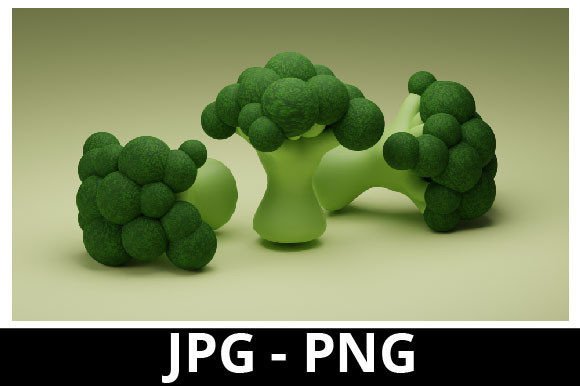
When it comes to visual design, especially in the food and agriculture industries, having high-quality assets can make a significant difference. The 3D rendered broccoli included in the "Perfect for Design" project is an excellent example of how digital imagery can enhance creativity and realism. This ZIP folder contains detailed images such as JPGs and PNGs, ideal for use in vegetables backgrounds, modeling, and rendering work. Whether you're working on a health-focused campaign or an organic farming website, this resource provides valuable content that supports a wide range of applications.
What Makes 3D Rendered Broccoli Unique?
Traditional photography has its limits when it comes to flexibility and control over lighting, angles, and background elements. 3D rendered broccoli, on the other hand, offers a dynamic solution. It allows designers to manipulate the scene to achieve the perfect composition every time. The broccoli plant in these renders appears natural and fresh, capturing the essence of healthy food and organic vegetables. These features are particularly useful for those looking to highlight nutrition, vegetarianism, or vegan lifestyles in their projects.
Features Included in the ZIP Folder
- JPG and PNG Files: High-resolution images suitable for both print and digital media.
- Vegetables Background Options: Ready-to-use backdrops that showcase the broccoli in various environments.
- Modeling and Rendering Details: Accurate textures and lighting for seamless integration into different designs.
- Broccoli Isolated: Clean, transparent backgrounds for broccolis and broccoli plants, allowing for easy placement in any layout.
- Multiple Angles and Styles: Includes variations like broccoli isolated on white, broccoli plant with leaves, and more.
Applications Across Industries
The versatility of 3D rendered broccoli makes it suitable for a variety of fields. Here’s a closer look at where it can be effectively used:
Food and Beverage Industry
Designers in the food industry often need realistic yet customizable visuals. With 3D broccoli, they can create appealing product packaging, menu illustrations, or social media posts promoting healthy eating. The freshness and delicious appearance of the broccoli help communicate the value of organic vegetables and nutritious meals.
E-Commerce and Marketing
Online stores selling health products, groceries, or supplements benefit from using high-quality visuals. The 3D broccoli can be placed against clean, professional backgrounds to emphasize its role in a healthy diet. For businesses targeting veggie lovers or those interested in natural foods, this asset helps build trust and visual appeal.
Education and Awareness Campaigns
Organizations focused on health education or environmental awareness often rely on strong visual symbols. The broccoli plant in 3D form can illustrate topics like balanced diets, sustainable agriculture, or the importance of green vegetables in daily nutrition. Its ability to convey freshness and health makes it an ideal choice for informative infographics and educational materials.
Interior and Product Design
In interior design, especially for spaces like kitchens or wellness centers, the presence of fresh, organic elements can influence aesthetics. Using broccoli 3D in renderings adds a touch of nature and vitality. Similarly, product designers may incorporate broccoli into mockups for kitchenware, cookbooks, or meal delivery services, enhancing the overall visual storytelling.
Strengths and Considerations
There are several advantages to using 3D rendered broccoli in your projects:
- Customization: Adjust colors, lighting, and backgrounds to suit specific brand needs or design themes.
- Consistency: Maintain a uniform look across multiple platforms without relying on stock photos that might vary in quality or style.
- Time Efficiency: Save hours of photo shoots by using pre-rendered images that are ready to edit and deploy.
- Realism: The broccoli looks so lifelike that it can be mistaken for a real vegetable in certain contexts.
However, there are also a few considerations to keep in mind. While 3D broccoli is highly adaptable, it still requires some post-processing in graphic design software to blend seamlessly into certain compositions. Additionally, the level of detail may vary depending on the intended resolution of the final output. Always ensure the image format (JPG or PNG) aligns with your project's technical requirements.
Who Can Benefit Most?
Several types of professionals and creators can gain value from the 3D broccoli asset:
- Graphic Designers: Those creating promotional materials for restaurants, grocery chains, or health brands.
- Web Developers: Building websites around healthy food, diet plans, or agricultural products.
- Content Creators: Making videos, blogs, or social media posts about nutrition, cooking, or sustainability.
- Business Owners: Launching new lines of organic vegetables or developing branding for a plant-based lifestyle.
- Marketing Teams: Crafting campaigns that emphasize natural ingredients and healthy living.
Real-World Scenarios and Use Cases
Let’s explore some practical examples of how 3D broccoli can be used:
Health Blog Illustration
A popular health blog might feature a post on the benefits of including green vegetables in your diet. Instead of using generic images, the designer could integrate the 3D broccoli to visually support the article’s message. The broccoli isolated on a white background adds clarity and professionalism, making the content more engaging for readers.
Restaurant Menu Design
Restaurants offering vegan or vegetarian options often want to highlight the freshness of their ingredients. By placing the broccoli plant in a 3D rendering alongside other organic vegetables, the menu gains a vibrant and appetizing look. This approach not only showcases the dish but also reinforces the restaurant’s commitment to healthy and tasty food.
Product Packaging Mockup
A startup launching a line of frozen vegetables might need mockups for their packaging before production. The 3D broccoli can be digitally inserted onto the box design, giving stakeholders a clear vision of the final product. This method is cost-effective and reduces the need for physical prototypes during the early stages.
Advertising for Fitness Apps
Fitness and diet apps frequently promote the idea of a balanced lifestyle. Using the broccoli 3d render in ad banners or app interfaces helps convey the message of healthy eating in a visually appealing way. The broccoli isolated on a vibrant green background can symbolize growth, vitality, and natural energy.
Evaluating Suitability for Your Project
To determine if the 3D broccoli asset fits your needs, consider the following questions:
- Do I require a vegetable element that looks fresh and natural?
- Is customization important for my design workflow?
- Will the broccoli appear in a digital or printed medium?
- Am I aiming to reinforce a theme related to health, diet, or organic food?
- Do I need a consistent visual for multiple design pieces?
If you answered yes to any of these, then the 3D broccoli is likely a good fit. Review the file formats included—such as JPG and PNG—and decide which will best serve your purpose. PNG files are ideal for transparency and layering, while JPGs offer optimized file sizes for web use.
Technical Tips for Best Results
Here are a few tips to get the most out of your 3D broccoli files:
- Use layers in your design software to adjust shadows, highlights, and depth.
- Pair the broccoli with complementary vegetables for a more diverse and natural feel.
- Ensure the lighting in your design matches the broccoli’s natural light exposure for realism.
- Scale the image appropriately to maintain clarity and avoid pixelation.
- Consider adding subtle motion blur or texture overlays to give it a more dynamic or tactile appearance.
Limitations and Practical Expectations
While the 3D broccoli is a powerful tool, it’s essential to understand its limitations. These images are static and cannot replicate the movement or unpredictability of real-life vegetables. They’re best suited for controlled environments rather than fast-paced video editing or augmented reality experiences.
Additionally, the broccoli 3d render should not replace actual product testing. If your project involves close-up shots of edible items, always verify that the final design accurately represents the real product. Despite these constraints, the broccoli remains a reliable and versatile asset for most design needs.
How to Integrate Into Existing Workflows
Integrating the 3D broccoli into your design process is straightforward. Start by unzipping the folder and selecting the appropriate file type. Import the image into your preferred design software, such as Adobe Photoshop or Illustrator, and experiment with positioning, color grading, and blending modes. Because the broccoli is isolated in many versions, it can easily be placed onto custom backgrounds or layered with other elements for maximum impact.
Conclusion
The 3D rendered broccoli included in the "Perfect for Design" package is a valuable addition to any creative toolkit. Whether you're highlighting organic vegetables, promoting healthy food choices, or designing for a vegetarian audience, this asset brings authenticity and flexibility to your work. By understanding its strengths and limitations, you can make informed decisions about how best to use it in your next project. As the demand for natural and nutritious imagery continues to grow, having access to such resources ensures that your designs remain relevant, engaging, and impactful.